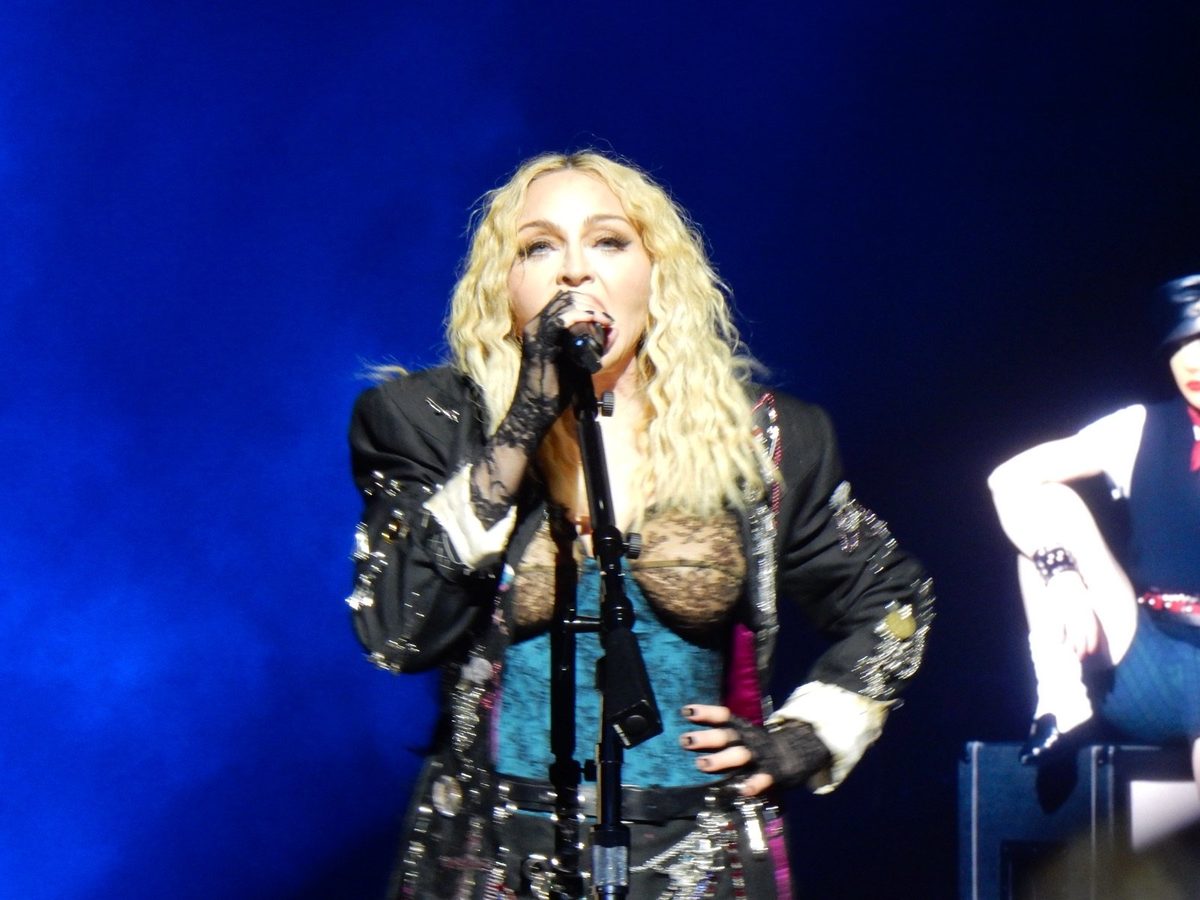
There are safer things a 67-year-old pop legend could do than reopen the one door fans have been banging on for twenty years. Legacy artists usually manage expectation carefully — a covers record, a symphonic reworking, a greatest-hits tour that lets the catalog do the talking. Instead, Madonna did the audacious thing. She went back to the exact room that produced her most adored late-career record and made a sequel to it.
Confessions II arrived July 3 through Warner Records, a direct follow-up to 2005’s Confessions on a Dance Floor — the shimmering, disco-drunk album that a large share of her fanbase considers her last undisputed creative peak. The tell that she meant it: she brought back Stuart Price, the producer who built the original’s seamless, mix-like flow, reportedly after the two hadn’t spoken in some fifteen years. You don’t reunite with that specific collaborator unless you’re chasing that specific feeling.
Why the sequel is the smart move
It’s easy to be cynical about a legacy artist mining her own back catalog. But look at it as strategy and the decision is sharp. Confessions on a Dance Floor is the Madonna era with the least baggage and the most goodwill — a period fans romanticize and newer listeners can discover clean. Anchoring a new album to it does something a standalone late-career release almost never manages: it arrives pre-loaded with a story everyone already understands and roots for.
That’s the same insight driving the vinyl boom and the heritage-rock comeback — in a culture drowning in the new, a trusted, beloved reference point is the scarcest asset there is. Madonna isn’t competing with this week’s TikTok sound. She’s activating two decades of accumulated affection and pointing all of it at one release date.
The guest list is the thesis
The collaborators tell you exactly how she’s threading the needle. On the singles — including “Bring Your Love” and “Love Sensation” — she reaches across generations and scenes: Sabrina Carpenter, the biggest new pop star in the room; Feid, a titan of the global Latin wave; Martin Garrix and Stromae from the dance world she helped legitimize. It’s a lineup engineered to make an album rooted in 2005 feel current in 2026 without diluting what made the original special.
That balance is the whole trick of the legacy comeback. Lean too hard on nostalgia and you’re a tribute act to yourself; chase the current sound too eagerly and you look like you’re straining to keep up. The guest list is Madonna’s answer — the past as foundation, the present as garnish.
A return, staged as an event
She didn’t just drop it, either. Ahead of release she staged a run of intimate club appearances alongside Price — turning the rollout into exactly the kind of sweaty, communal dance-floor ritual the album is about. That instinct is pure Madonna: an album isn’t a file, it’s an occasion. In an era when most releases evaporate into the stream within days, treating the record as a live, in-person event is both a throwback and, increasingly, the most durable way to make a release matter.
What it signals
Whatever the reviews ultimately say — and Madonna’s late catalog has always divided critics — Confessions II is a case study in how a legacy artist stays culturally alive. Not by pretending to be new, and not by freezing in amber, but by identifying the exact moment fans love most and building something fresh on top of it.
The dance floor was always Madonna’s home turf. Twenty years later, she’s simply proving she still owns the lease.